

LoadingThe ISS
Track, The ISS
Pinch or tap + to zoom in
Live · 10:11 UTC
Shaded: night. Solid: its last 14 minutes; dashed: its next orbit. It can be seen from inside the ring (2,795 km across).
See it from Cape Canaveral
Its passes over you this week all come in daylight or while it's in Earth's shadow. Visible passes come in runs of a few days, a couple of weeks apart.
Now off the coast of Namibia, 425 km up, at 27,600 km/h.
Every docking port, numbered on the drawing and in the list. Crew ships are the crew's rides home; cargo ships bring supplies and leave with the trash.
 Cargo ship · Harmony zenithCargo Dragon C211Up since Oct 13 · 35 days docked
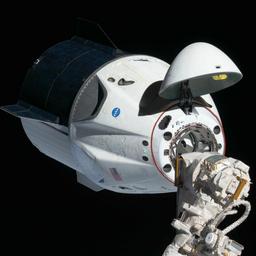 Crew ship · Harmony forwardCrew Dragon GraceUp since Oct 1 · 49 days docked
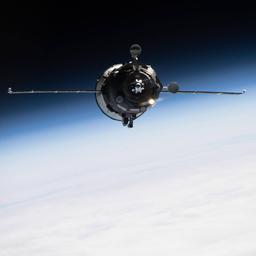 Cargo ship · Poisk zenithProgress MS-35Up since Sep 16 · 61 days docked
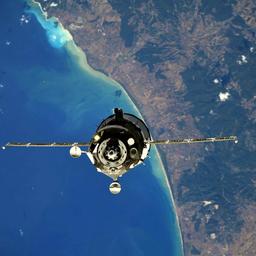 Crew ship · Prichal nadirSoyuz MS-29Up since Jul 14 · 128 days dockedCargo ship · Zvezda aftProgress MS-34Up since Apr 25 · 206 days docked
From NASA's live feed: the station's own sensors. As of 10:11 UTC.
Clean water
75%
Drinking water made from recycled water
Water to recycle
28%
Waiting for the station's water plant
Urine tank
22%
Recycled into water too
Power
152 V
8 of 8 channels from the solar wings reporting
Sun angle
-4°
Near-zero beta — deep eclipses, the longest orbital nights of the cycle.
Solar wings
4°
Turning to follow the Sun: port 4°, starboard 357°
Pick a camera to load it: the streams are video, so they wait until you ask.
Expedition 75, since .
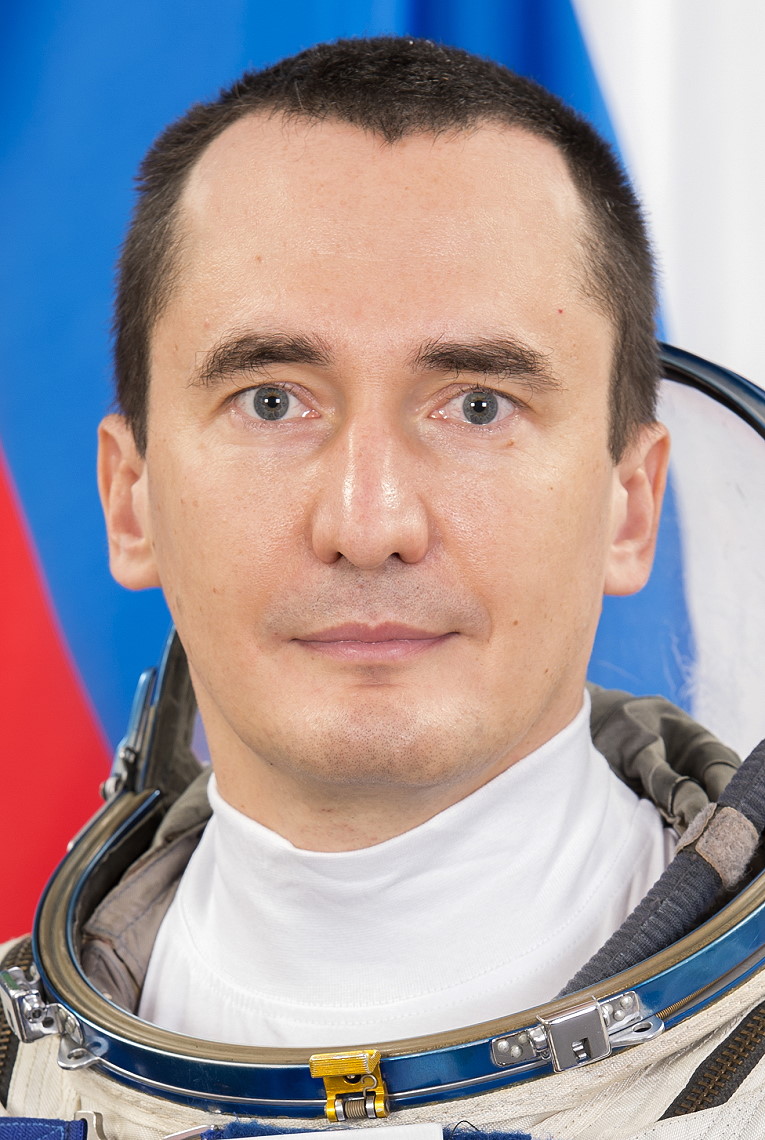
Pyotr Dubrov
Commander · Roscosmos
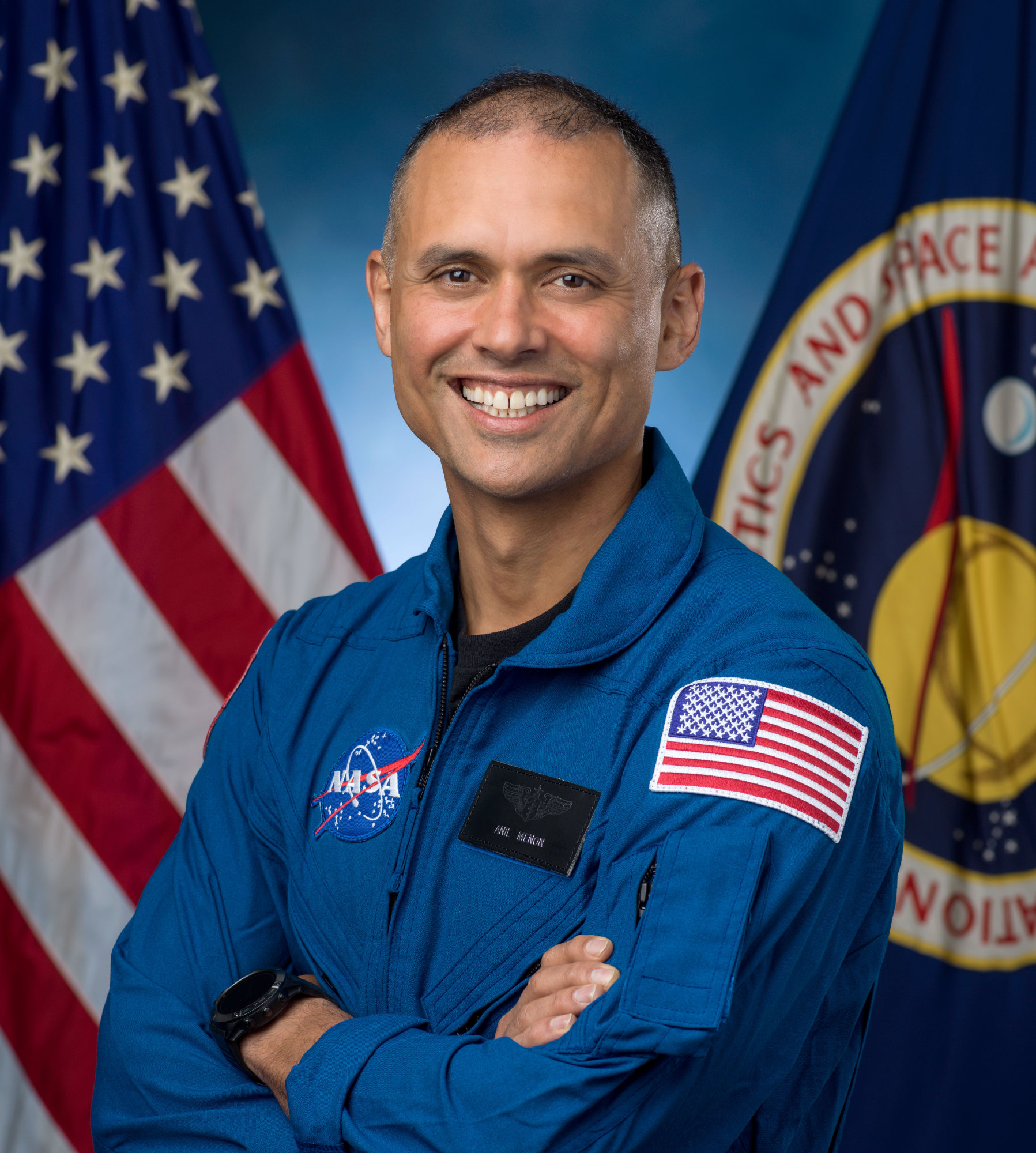
Anil Menon
Flight engineer · NASA
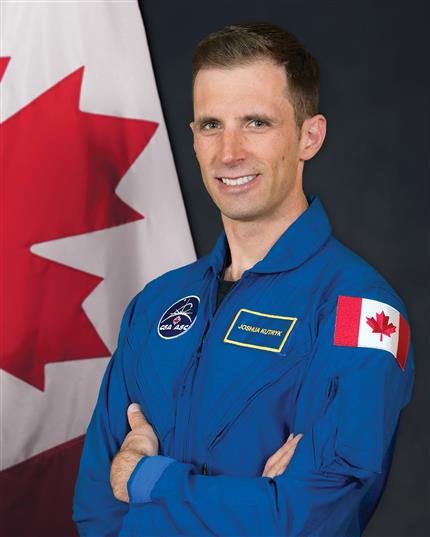
Joshua Kutryk
Flight engineer · Canadian Space Agency
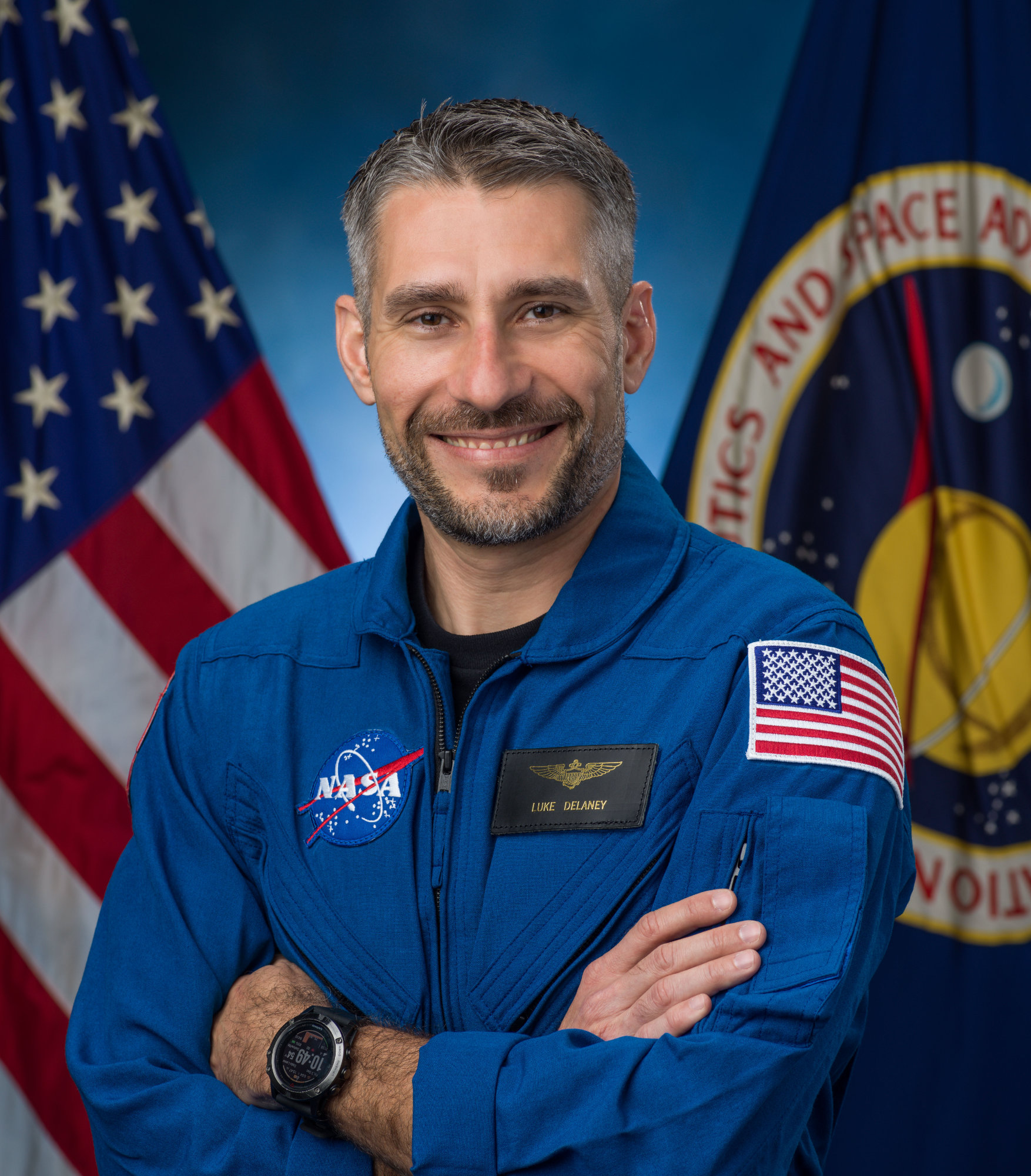
Luke Delaney
Flight engineer · NASA
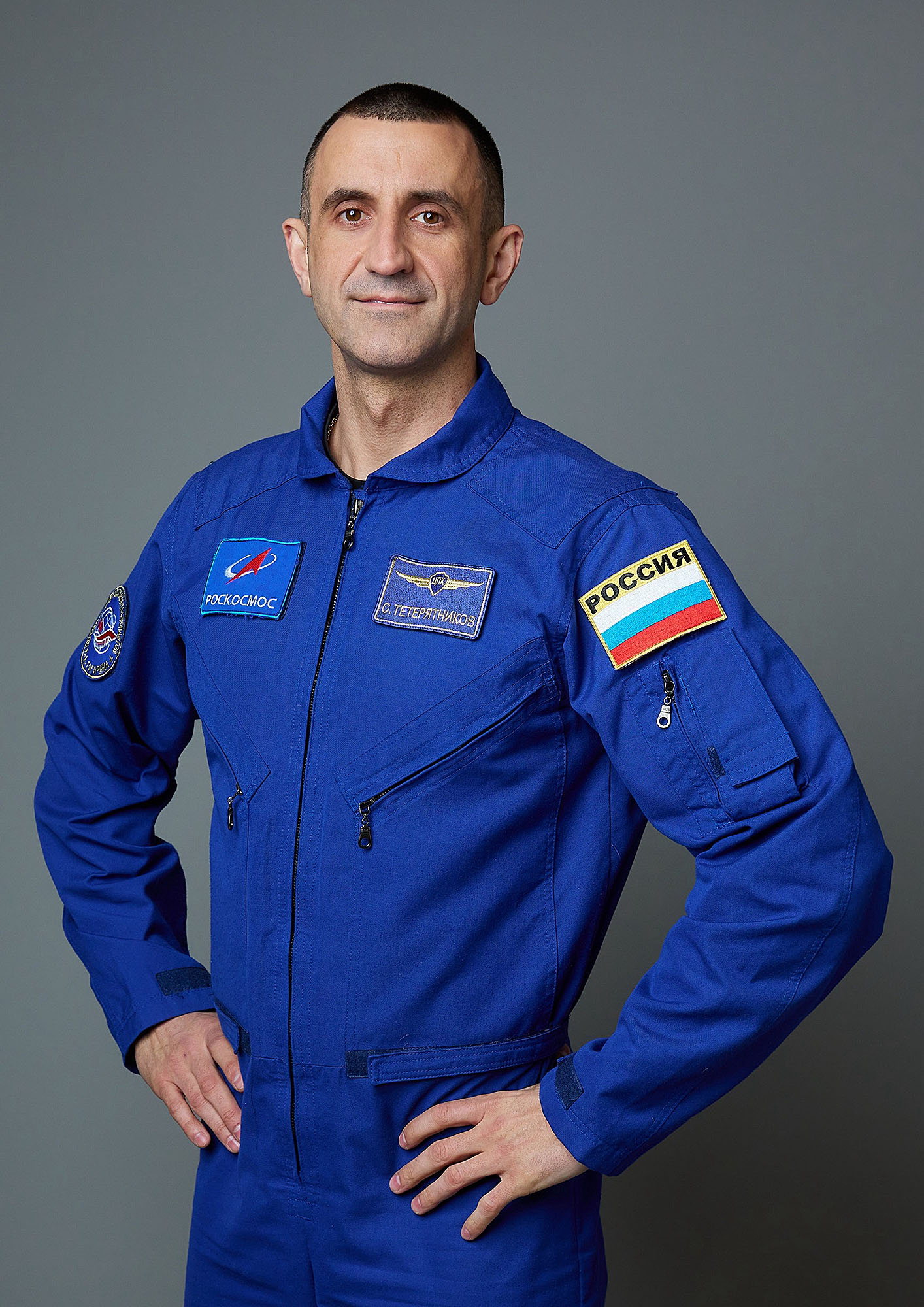
Sergey Teteryatnikov
Flight engineer · Roscosmos
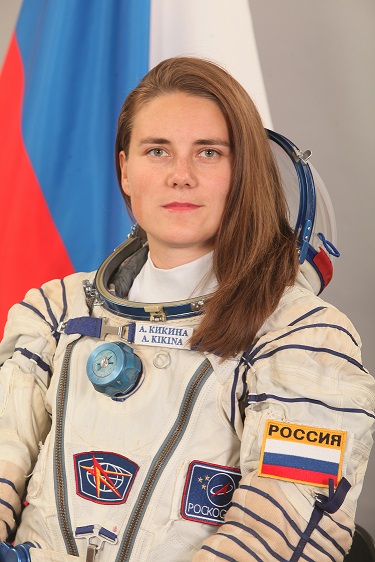
Anna Kikina
Flight engineer · Roscosmos
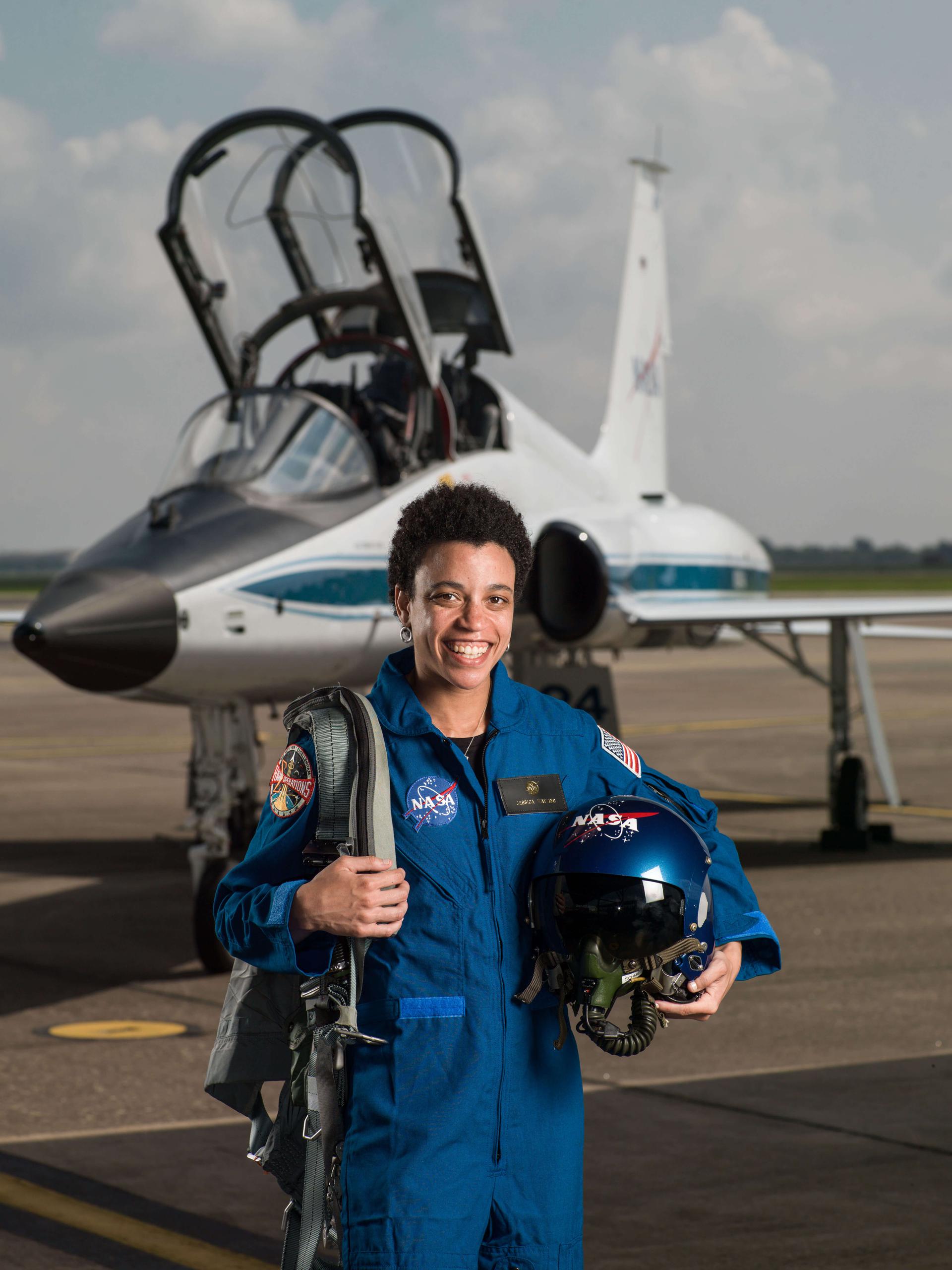
Jessica Watkins
Flight engineer · NASA
The next ships headed for the station. Each takes a free port, or the place of a ship about to leave.
Progress MS-36 (97P)
On a Soyuz 2.1b, . The docking time comes later.
Cygnus CRS-2 NG-25
On a Falcon 9, . The docking time comes later.
HTV-X2
On a H3-24, . The docking time comes later.
Starliner-1
On an Atlas V N22, . The docking time comes later.
The last 6, longest bar the longest walk.